ADHD and sleep don’t always go hand in hand. For many people with ADHD, falling asleep—and staying asleep—can feel like an ongoing battle. Racing thoughts, bedtime restlessness, and inconsistent routines often disrupt the very rest needed to manage ADHD symptoms. While there are various ways to tackle this issue, it can feel overwhelming trying to decide where and how to start. Understanding the link between ADHD and sleep challenges is the first step toward building better sleep hygiene and improving overall well-being.
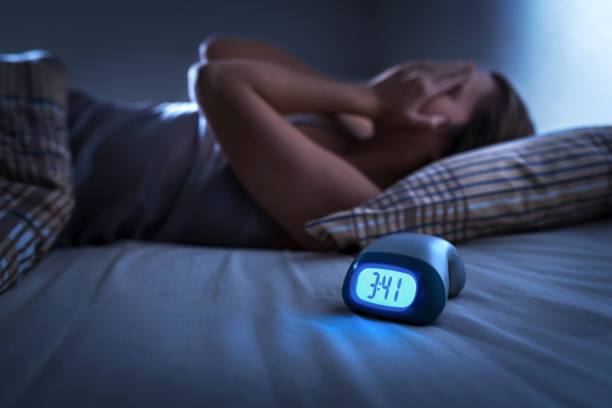
Why Does ADHD Interfere with Sleep?
ADHD affects more than just focus—it also impacts the brain’s ability to wind down and to regulate internal rhythms. Many individuals with ADHD experience delayed sleep onset, insomnia, or waking frequently throughout the night. Unfortunately, poor sleep can worsen core ADHD symptoms like inattention, emotional reactivity, and impulsivity—creating a frustrating cycle.
Common Sleep Struggles for People with ADHD:
- Difficulty falling asleep due to racing thoughts.
- Inconsistent sleep-wake patterns or staying up too late.
- Restless tossing and turning during the night.
- Waking up groggy, even after hours in bed.
- A struggle to avoid overstimulation from screens or nighttime distractions.
- Rebound effects from ADHD medications wearing off.
3 Tools to Improve Sleep Hygiene with ADHD
1 – Establish a Calming Bedtime Routine

With the warp speed of modern society, it can be hard for us to decompress. There can be extra challenges for those with ADHD, though they are not insurmountable. The transition to sleep is something I talk about a lot as an ADHD Counselor in Woodland Hills.
- Give yourself enough time. Start winding down 30–60 minutes before bed with low-stimulation activities (reading, journaling, warm shower). This can help calm your thoughts, emotions, and body in preparation for sleep. Don’t expect yourself to be able to go from running around to falling asleep in an instant, especially if you have a lot on your mind or have experienced a day of emotional overwhelm. Getting your bedtime routine finished and getting into bed earlier can help your body to settle, which means that special attention should also be paid to how late in the day you consume caffeine, eat dinner, and even how late you’re still drinking water. The less likely you are to have to get up again once you are settled, the better.
- The best routine happens every day. Keep your routine consistent—even on weekends—to help train your brain to expect sleep. It can feel tempting to stay up a little later when you know you don’t have to get up for work the next day, but that habit can easily lead to pushing it later and later and then wreaking havoc on your Monday morning. Everyone – those who have ADHD and those who don’t – can benefit from a set sleep schedule. Some may struggle to implement it more than others.
- Utilize tools to ensure you stay on track. Use visual cues or reminders (like a checklist or bedtime alarm) to guide the process. It’s all well and good to tell yourself that you will get started with your bedtime routine on time, or that you will turn off devices at a certain time. But why not make it easier on yourself? However long it takes you to get through your bedtime routine, give yourself that. Keeping a list will not only ensure that you don’t miss any steps, but it will help you organize the order of operations that works best for you. You may have to experiment with what order helps you wind down most effectively. That’s okay! There is lots to learn and lots of time to figure it out.
2 – Reduce Distractions in the Sleep Environment
Those who have ADHD and those who do not can all benefit from understanding ideal sleep environments and how they impact the rest you get. Unnatural light, shift work, technological distractions, changing seasons and more can impact light exposure and the way your body reacts to it.

- Understand the body’s sensory needs for sleep. Keep your bedroom cool, dark, and quiet—use blackout curtains, white noise machines, or eye masks. Set your air conditioning to a cooler temperature, or use a fan/fans to regulate the temperature of the room. When it comes to what you hear and see, consider both what works and what is consistent. For example, a dark room is best for sleep; you’ll want to turn off or put away anything that can make the room brighter overall. What is also important is that the room stays dark throughout the night; using blackout curtains or a sleep mask to maintain the darkness in the room keeps you in a deeper level of sleep. Sensory changes in the room, like intermittent noises, can pull you from a deeper sleep closer to the surface, disrupting your rest even if you don’t wake up.
- Give your nervous system time to power down. Remove electronics from the bedroom, or at least stop screen time 30–60 minutes before bed. This can sound like an impossible ask in this era of doomscrolling; you might even be someone who feels that the only way to fall asleep is scrolling or watching TV until your eyes burn. Going straight from electronic stimuli to sleep isn’t effective or easy on your body. When you transition more gently to sleep, you give your body and nervous system a break before their night of repair and recovery – don’t forget, while you are sleeping, your body is not.
- Research ADHD sleep hacks. With an increased understanding of ADHD, there has also been an increase in the resources available to manage it. Try apps or tools designed for ADHD brains, like calming music, body scans, or sleep meditations. We discuss various sleep methods in our Woodland Hills ADHD therapy sessions; you may have to try a few (or some different combinations) to find what works best for you. Some people prefer to use their sensory input to lull their bodies and minds, such as through what they hear, see, feel, or smell. Others like the way a body scan helps them focus in on their bodies as a mindfulness exercise. The same can go for a sleep meditation; often, you will be walked through connecting with your breathing and releasing any tension you are holding in your body, as well as letting go of intrusive thoughts.
3 – Talk to Your Doctor About Medication Timing
It is important to have the support of your doctor while you are undergoing treatment of your ADHD. Those who see us for ADHD Therapy in Woodland Hills and utilize medication to help with their symptoms have seen the benefit of open and honest communication with their doctor.
- Some ADHD medications can interfere with sleep if taken too late in the day. Being careful to take medications as early in the day as possible can help with this side effect, but isn’t always the solution. You may find that some medications have more of a stimulating impact than others do, regardless of when in the day they are taken. If you feel that your medication may be keeping you awake, ensure that you can take it effectively earlier in the day and make a concerted effort to do so, moving earlier and earlier as needed and as possible. If these changes don’t lead to improved sleep, it may be the medication itself.
- Explore your options with your doctor. There are always things to try, especially if you are on your first ADHD medication. The first one you try may or may not be what is best for you. Ask your prescribing provider about adjusting the dose, switching formulations, or adding a short-term sleep aid. Small tweaks can have a positive impact. You may also experience side effects from drug interactions if you take more than once medication. Make sure your doctor is aware of all medications you are taking, even if you don’t see the importance of mentioning one or the other.
- Reach out for adjustments; don’t just stop taking your medication. It is not wise to stop medication (any medication) without medical guidance—your provider can help tailor a plan that supports both focus and rest. Depending on your medication and other health factors, you will usually find that a conscientious taper is recommended if you need to stop using a specific medication. The only way to approach this safely is to be in communication with your doctor and share what is going on.

Key Takeaways
- ADHD can cause significant sleep disruptions that in turn worsen focus, mood, and energy.
- You can discuss how your sleep is impacted by ADHD when you attend in-person or online ADHD therapy. You may need to adjust routines or other factors in order to get the best rest.
- Creating a bedtime routine, minimizing sensory distractions, and evaluating medication timing can support better rest.
- Good sleep isn’t just about hours—it’s about how you prepare your mind and body for rest.
ADHD Treatment at Embracing You Therapy
When left unmanaged, ADHD symptoms can be deeply disruptive in adulthood—impacting everything from work performance to personal relationships. It can influence how you focus, communicate, and connect with others. At our Woodland Hills office, ADHD treatment is tailored to help you understand the unique ways your brain functions and develop practical strategies that can be smoothly integrated into your daily life.
Contact us today for your complimentary 20-minute phone consultation with our Admin Team today!